The Humidity Trap
When the air is saturated with moisture, the natural evaporation process becomes inefficient. The “heat index” inside your home can climb significantly higher than the setting on your thermostat, especially in houses with poor cross-ventilation. A cat, particularly one with a dense or long coat, can quickly find themselves in a state of thermal distress where no amount of grooming provides relief. This leads to lethargy, loss of appetite, and significant organ stress.
Your Feline Summer-Cooling Strategy:
Strategic Airflow
Humidity tends to settle in stagnant corners. Ensure your ceiling fans are set to run in a direction that pushes air downward, creating a gentle breeze that aids in evaporation.
Grooming Maintenance
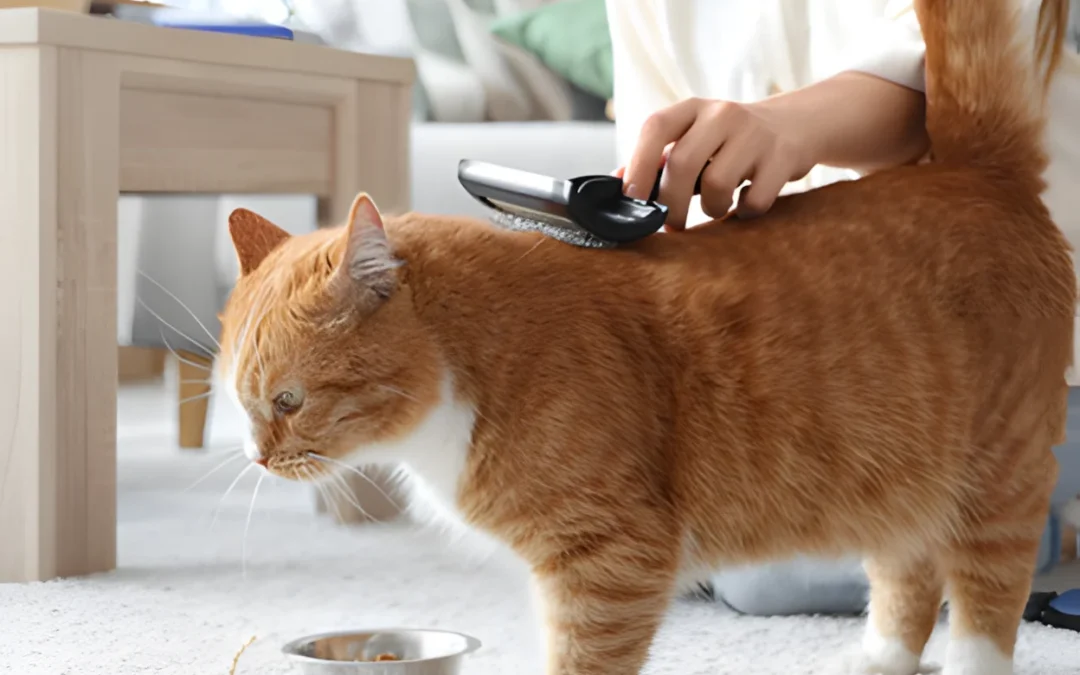
If your cat is a long-hair, a thorough, daily brushing is vital. A matted undercoat acts like a thermal blanket, trapping body heat against the skin. Regular grooming removes the dead fur that prevents their skin from “breathing.”
The Dehumidifier Advantage
If you have areas of the home that tend to get “muggy,” consider a small, quiet dehumidifier. Dropping the moisture levels in your home significantly increases your cat’s ability to cool themselves naturally and prevents the air from feeling heavy.
The Sitter’s Eye
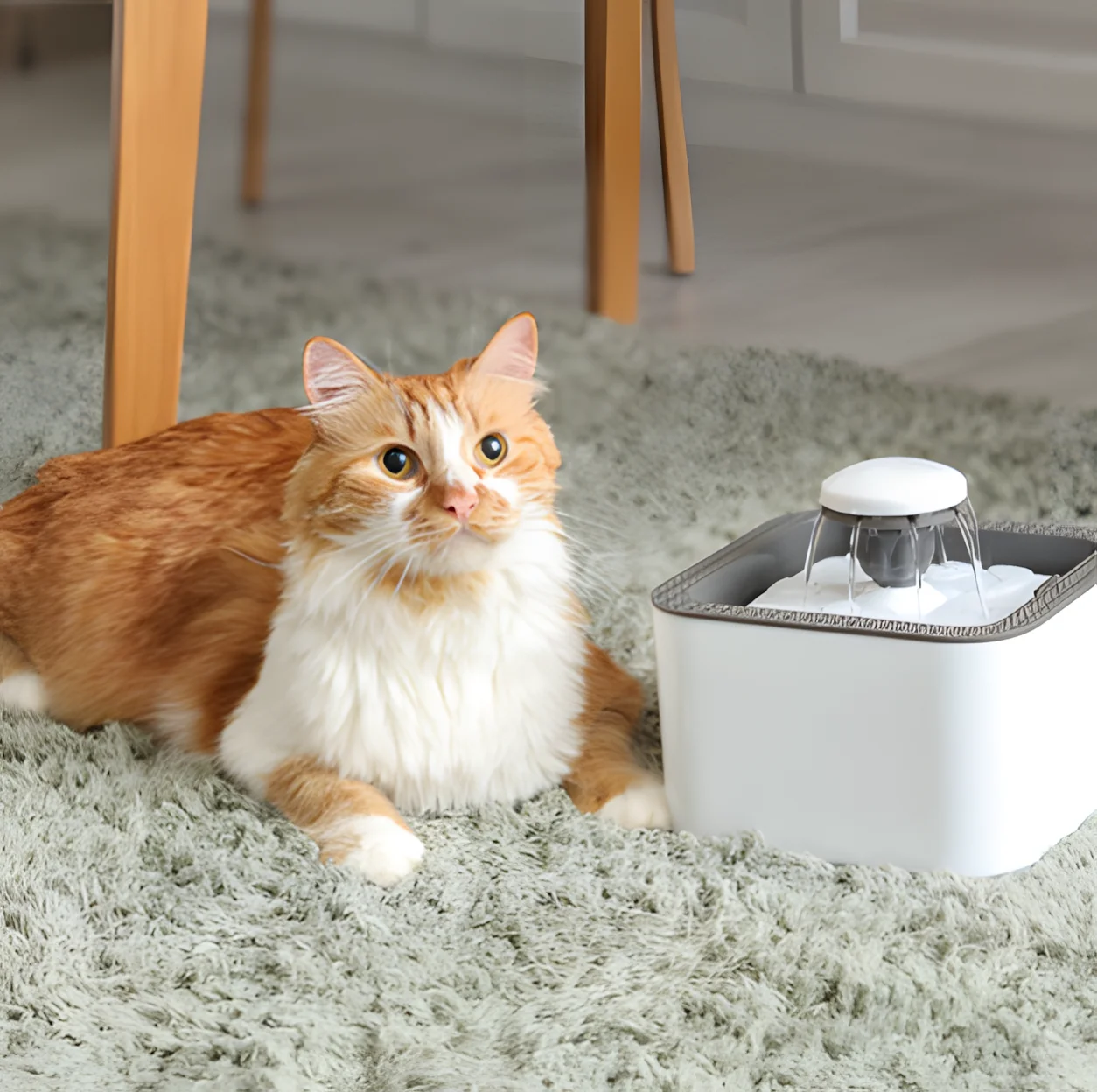
When we arrive for our visits, we evaluate the “feel” of your home. We look for signs of heavy breathing, panting, or unusual lethargy that might suggest your cat is struggling with the humidity. We monitor the air circulation, adjust fans if necessary, and ensure their hydration stations are positioned in the coolest, most well-ventilated areas of the house. We prioritize their comfort so your home remains their personal oasis.