Spotting feline seasonal allergies requires a trained eye, as cats rarely display the classic sneezing and sniffling human responses. Instead, feline environmental allergies typically present through the skin—a condition known as feline atopic dermatitis. You may notice your cat scratching obsessively around their neck, ears, and jawline, or grooming themselves so aggressively that small scabbed bumps (miliary dermatitis) or raw skin lesions develop. Severe allergy spikes can also lead to watery eyes, mild nasal discharge, or exacerbated asthmatic coughing in predisposed cats.
Your content goes here. Edit or remove this text inline or in the module Content settings. You can also style every aspect of this content in the module Design settings and even apply custom CSS to this text in the module Advanced settings.
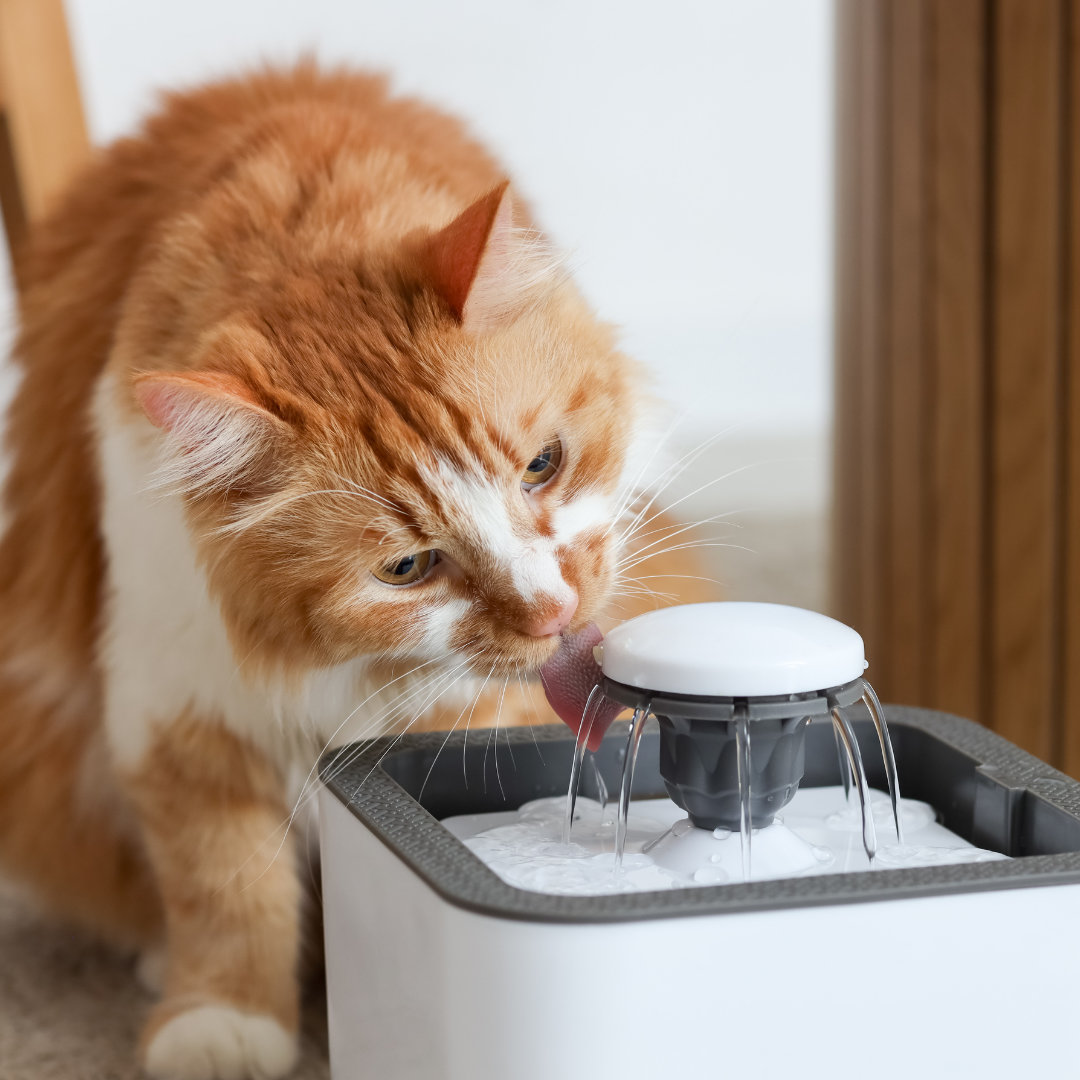
Along with medical support, maintaining high hydration levels during early fall is critical for flushing out environmental toxins and supporting renal health. Even as ambient temperatures drop slightly, indoor air conditioning can still dry out your cat’s mucus membranes. We recommend scattering multiple circulating water fountains throughout your home, as the sound of running water naturally entices cats to drink more frequently. Mixing warm, unseasoned bone broth or extra water into their daily wet food is another excellent way to boost fluid intake. During our home visits, our sitters take meticulous care to thoroughly scrub, rinse, and refill every water station with crisp, clean water, keeping your cat healthy, comfortable, and fully hydrated all season long.