
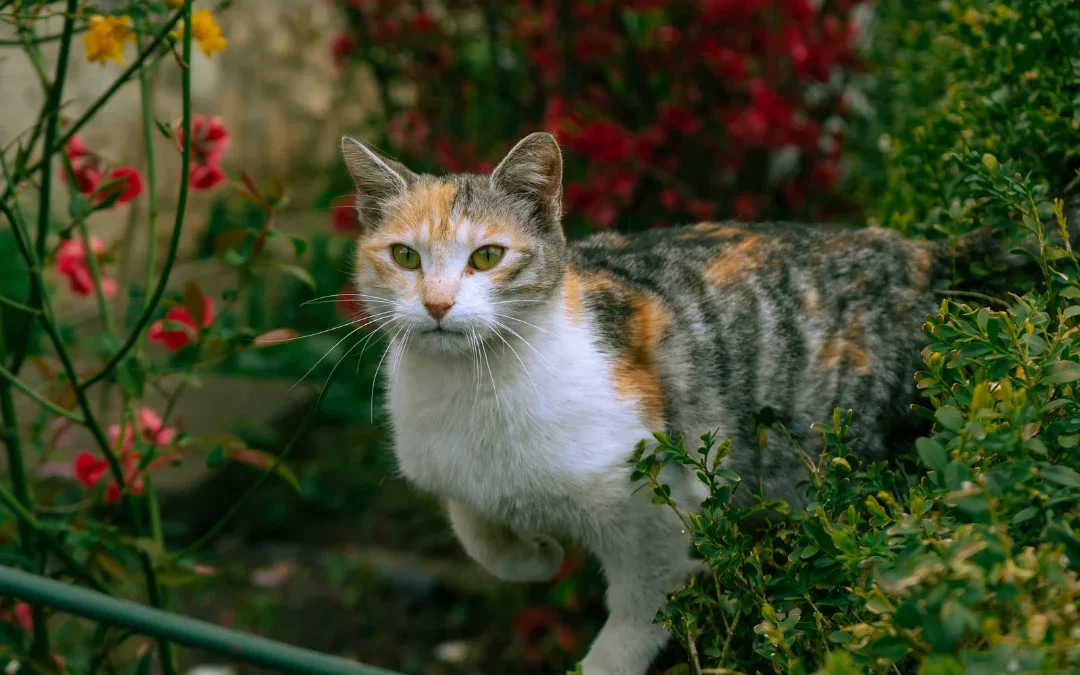
As the Houston azaleas bloom and floral shops fill with spring bouquets, our homes become much more colorful. However, for a cat, a vase of flowers isn’t just a centerpiece—it’s a sensory puzzle to be tasted. Because cats are obligate carnivores, their livers lack certain enzymes to process the toxins found in many common spring plants. What looks like a beautiful gift to you could be a silent emergency for your cat.
The “Zero Tolerance” List:
Lilies If you take one thing away from this guide, let it be this: True lilies (Easter, Tiger, Stargazer, and Asiatic lilies) are lethal to cats. Unlike some plants that just cause an upset stomach, every single part of a lily is toxic. If a cat brushes against the flower and licks the pollen off their fur, or drinks the water from the vase, it can cause total kidney failure in less than 36 hours.
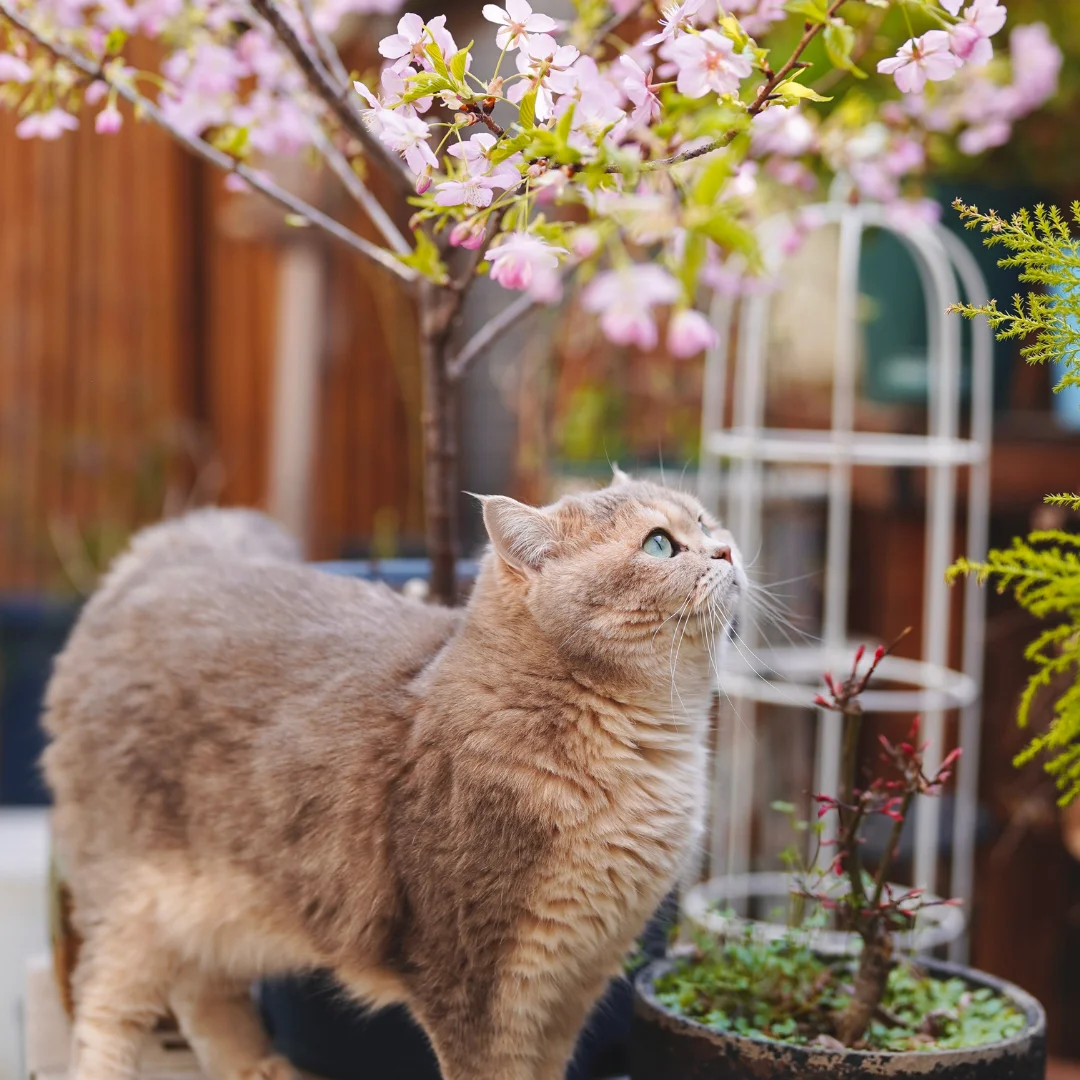
5 Ways to Keep a “Floral-Safe” Home:
The “No-Go” List:
Avoid Lilies, Tulips, Daffodils, and Hyacinths. The bulbs of spring flowers are particularly concentrated with toxins that can cause heart arrhythmias or respiratory distress.
Feline-Friendly Alternatives:
Choose Roses (thorns removed), Snapdragons, Orchids, or Gerbera Daisies. These provide the spring “pop” without the toxicity.
The “Yes” Garden:
Give your cat their own greenery. A pot of organic wheatgrass or catnip satisfies their urge to chew on fiber safely.
Vertical Misconceptions:
Never assume a plant is safe just because it’s “on a high shelf.” Cats are Olympic-level jumpers when they see something green and fluttering.
Recognizing the Signs:
If your cat has been near a plant and begins vomiting, drooling excessively, or acting lethargic, do not “wait and see.” Head to the vet immediately.
The #1 Way to Ensure Safety:
When you’re away, you need a sitter who knows the “Dirty List” of plants. At Cat Sitters of Houston, we perform a safety sweep during every visit. We ensure no fallen petals or toxic leaves are within reach, giving you total peace of mind while you enjoy the blooms of the season.