
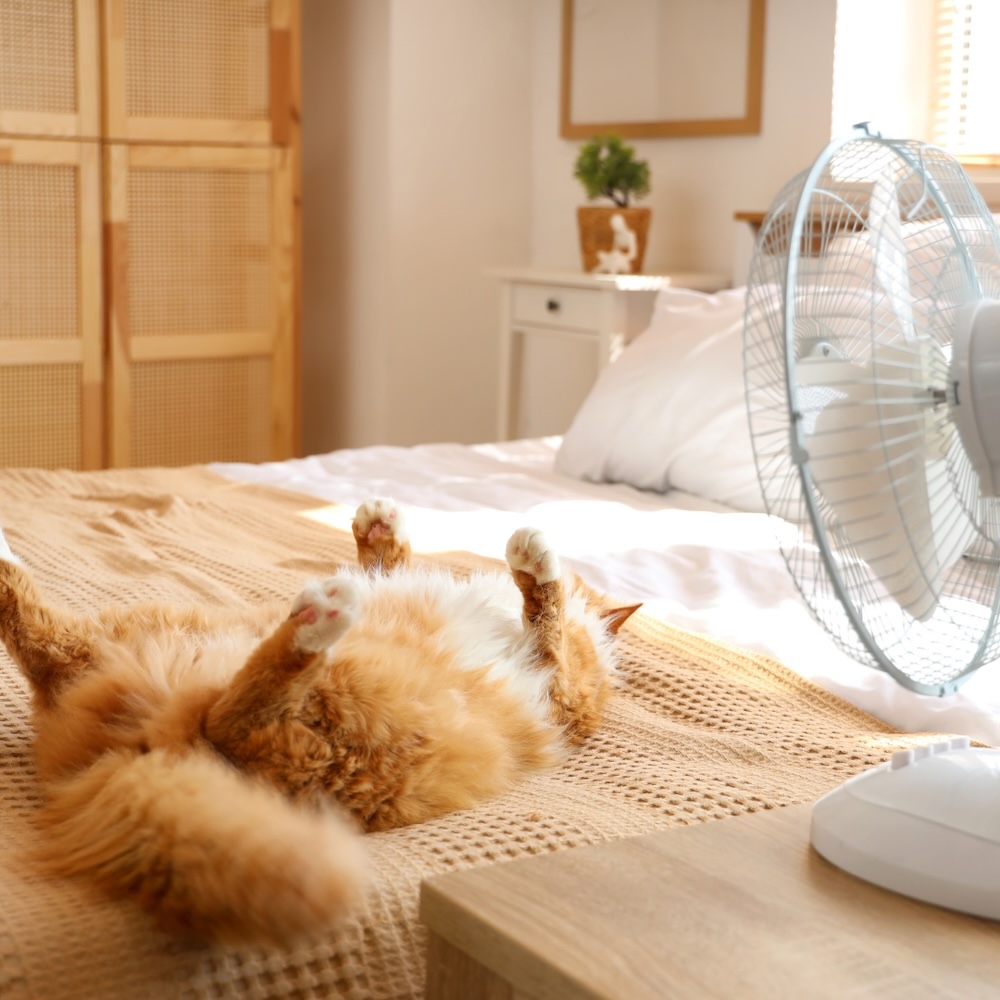
August in Houston is notorious for delivering some of the most oppressive heat and humidity of the entire year. While our feline companions spend their days safely indoors, shielded from the direct glare of the sun, they are still profoundly vulnerable to the dangers of high ambient indoor temperatures. Because many families try to manage energy bills or experience unexpected HVAC hiccups during peak summer, indoor environments can quickly become uncomfortably warm. Understanding how your cat’s body responds to heat is the first step in creating a safe, refreshing sanctuary for them while you navigate the dog days of summer.
The Physiology of Feline Overheating
Unlike dogs, who rely heavily on panting to expel heat and regulate their body temperature, cats are far more subtle and limited in their cooling mechanisms. A cat’s primary method of cooling is through the evaporation of saliva applied during grooming, combined with minor perspiration through the tiny sweat glands located exclusively on their paw pads. When indoor temperatures and humidity skyrocket, these modest mechanisms quickly become overwhelmed. Senior cats, long-haired breeds (such as Persians or Maine Coons), and cats with underlying respiratory or cardiac conditions are at a significantly higher risk of experiencing heat exhaustion, lethargy, dehydration, and dangerous thermal stress.
Your Feline Cool-Down Strategy
To protect your cat from the lingering dangers of an August heat wave, proactive environmental management is essential:
The Climate Control Baseline:
Maintain a stable, reliable air conditioning baseline throughout your home. Keep blinds, curtains, and drapes drawn tightly across windows that receive direct afternoon sunlight to prevent the greenhouse effect from warming up individual rooms.
Dynamic Hydration Stations:
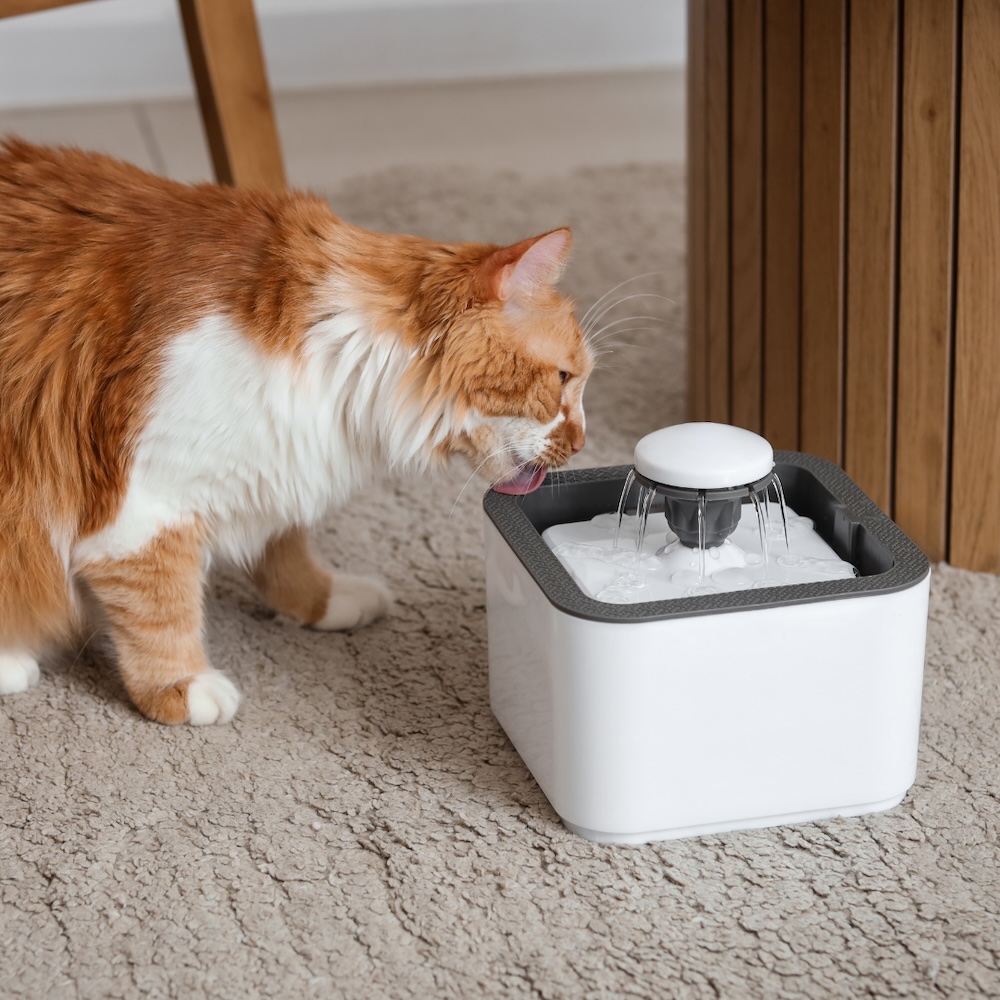
Cats can be notoriously picky drinkers, but proper hydration is critical during hot weather. Scatter multiple fresh, cool water bowls throughout different rooms. Consider investing in a circulating pet water fountain, as the moving water naturally entices cats to drink more frequently. You can also mix a small spoonful of warm-water bone broth (unseasoned and onion/garlic free) into their wet food to boost their daily fluid intake.
Strategic Airflow and Cooling Surfaces:
Ensure good air circulation with ceiling fans or oscillating fans running safely out of reach. Create cool resting zones by placing ceramic tiles, damp towels, or specialized pet cooling mats in their favorite sunny lounging spots.
The Sitter’s Eye: Professional Care When Temperatures Spike
When scorching August temperatures settle over Houston, our visits go far beyond simply filling a food bowl. Our professional cat sitters monitor your indoor climate stability the moment we walk through your door. We immediately refresh all water bowls with crisp, cold water, check that your air conditioning units are functioning normally, and carefully observe your cat for subtle signs of heat fatigue, decreased appetite, or sluggishness. With Cat Sitters of Houston, your cats remain cool, comfortable, and closely monitored all day long.