
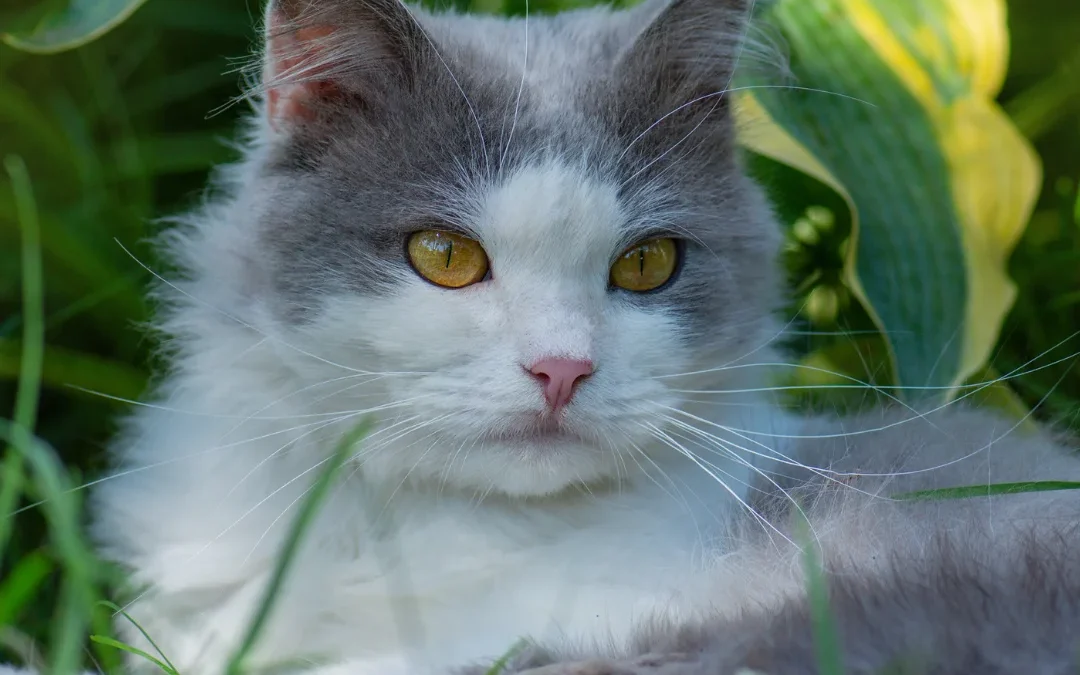
June is the month when backyard biodiversity explodes. From the safety of a window screen or a screened-in “catio,” your cat is watching an endless parade of wasps, yellowjackets, and bumblebees. To a cat, a buzzing insect isn’t a threat; it’s a high-priority target. Their predatory sequence—stare, stalk, pounce, and swat—is entirely hardwired.
The Anatomy of a Sting
When a cat swats at a June wasp, the interaction usually happens at lightning speed, resulting in a sting to the sensitive paw pads or, worse, the lips and tongue if they try to catch it in their mouth. Feline skin reacts strongly to the venom of bees and wasps. A sting inside the mouth or throat can cause rapid localized swelling, which can quickly compromise a cat’s narrow airway. Furthermore, multiple stings can trigger an anaphylactic reaction, causing vomiting, lethargy, and sudden collapse.
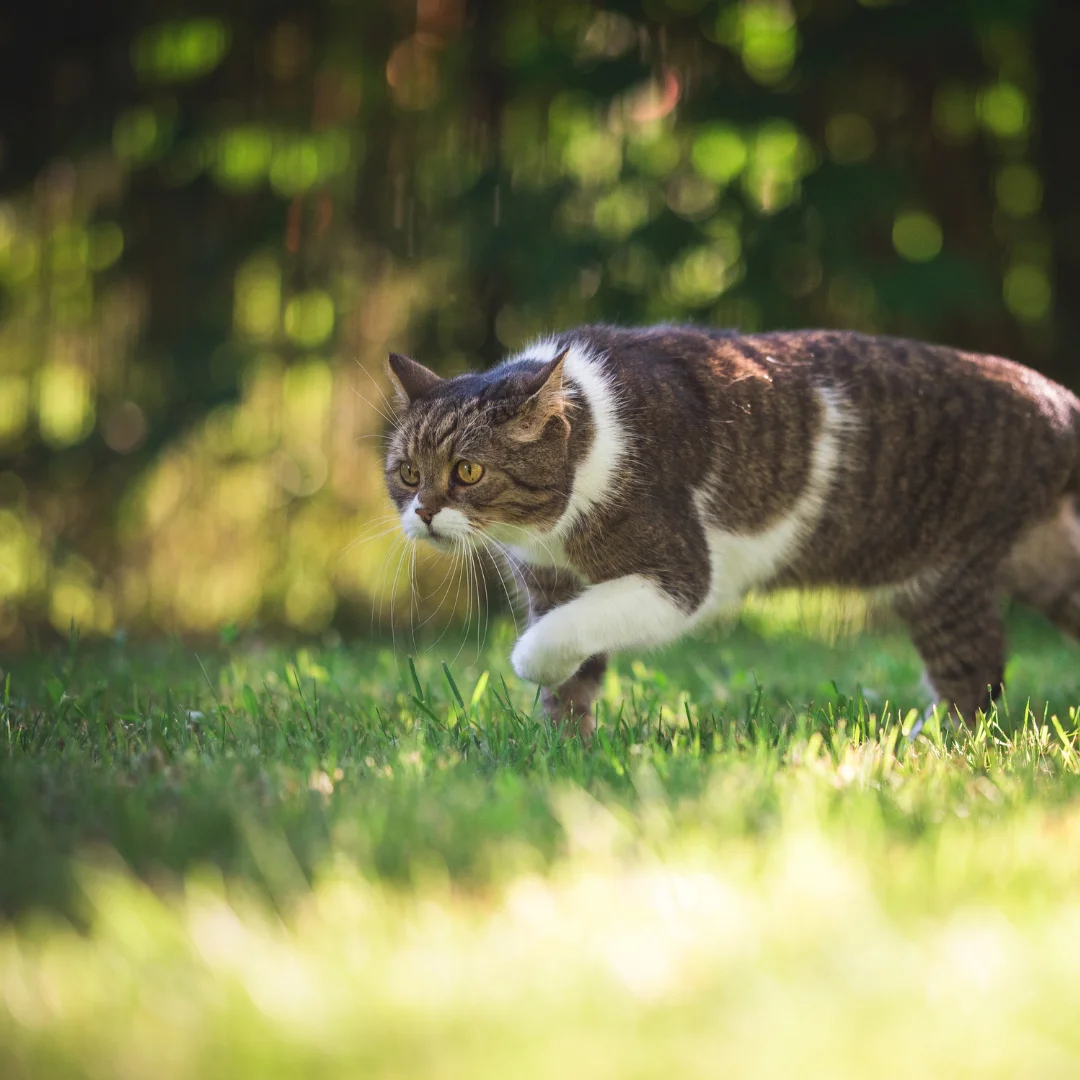
Your Feline Predator Strategy:
The Catio Perimeter Check
If your cat enjoys a screened porch or catio, do a daily sweep for paper wasp nests under the eaves and railings. Clear them out before letting your cat outside.
The “Swat” Inspection
If you notice your cat suddenly limping, holding a paw up, or licking a specific area obsessively after looking out the window, inspect the area immediately for a embedded stinger or localized swelling.
First Aid Readiness
Keep an emergency veterinary contact visible. Never administer human antihistamines to a cat without a specific dosage instruction from your vet, as many over-the-counter medications contain additives toxic to felines.
The Sitter’s Eye
When we visit your kitty in June, we audit their favorite viewing spots. If we notice wasps building a nest right outside a window screen where your cat sits, we report it to you immediately. We supervise any time spent in enclosed outdoor areas, ensuring your cat gets all the enrichment of watching the June wildlife without any of the painful consequences.