
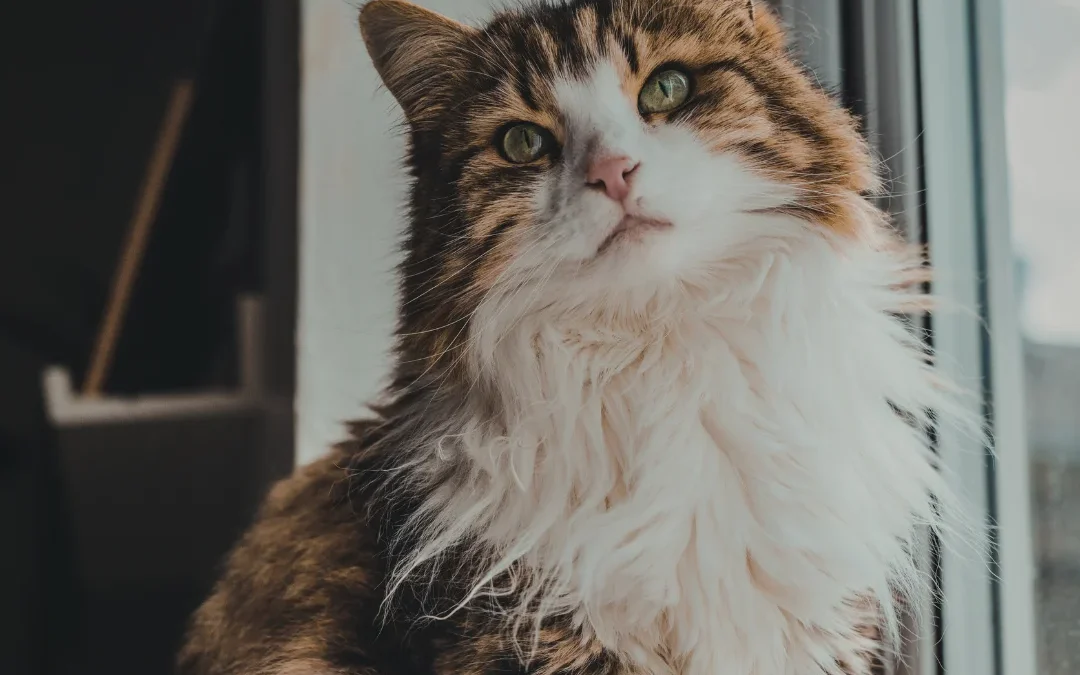
As the days get longer in April, your cat’s brain receives a specific photoperiodic signal: the heavy winter coat is officially retired. This isn’t just a cleaning headache for you; it’s a major metabolic shift for them. We call it the April Fur-Nado, and if that fur isn’t ending up on your lint roller, it’s likely ending up in your cat’s stomach.
Cats spend up to 50% of their waking hours grooming. During the spring shed, the volume of ingested fur triples. While most fur passes through the digestive tract, excess fur can tangle with food and bile in the stomach, creating a “trichobezoar” (a hairball). If these get too large, they can cause painful GI blockages, chronic vomiting, or a total loss of appetite. April is prime time for these digestive “logjams.”
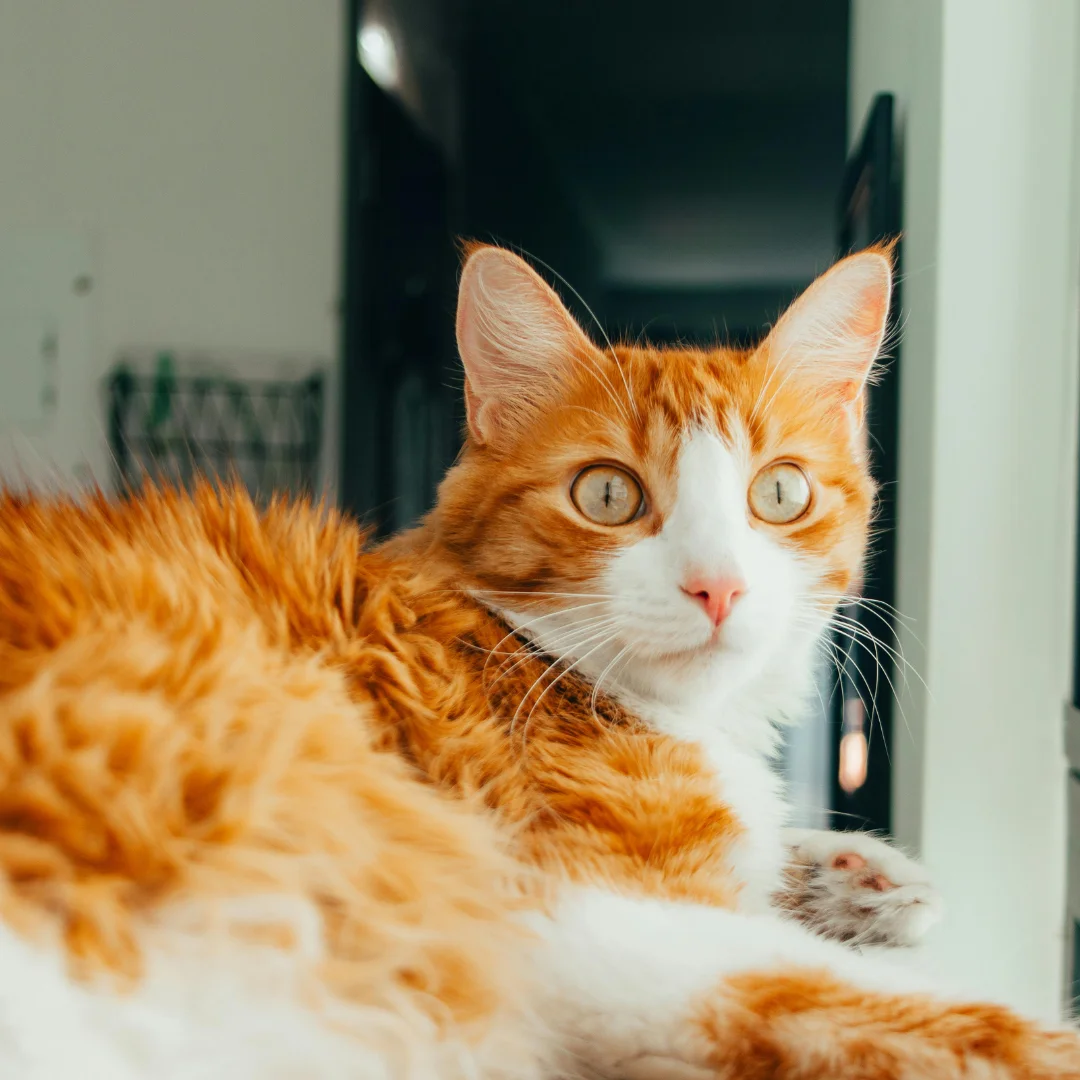
Proactive Strategies for a Smooth Shed:
Hydration is Lubrication: Dehydration makes it much harder for fur to move through the gut. If your cat usually eats dry kibble, try adding a “soup” of warm water or unsalted chicken broth to their meals this month to keep the digestive “conveyor belt” moving.
The “Slicker” Solution: Five minutes of daily brushing isn’t just about bonding; it’s a medical intervention. Focus on the “armpits,” the belly, and the base of the tail where the winter undercoat tends to mat first.
Fiber Power: Consider offering a small pinch of cat-safe wheatgrass (often sold as “Cat Grass”). The extra fiber acts as a natural “broom” for the digestive system, helping hair pass through more efficiently.
Omega-3 Boost: Talk to your vet about adding a drop of fish oil to their food. This strengthens the new spring coat and reduces skin itchiness that often leads to over-grooming.
We know that a shedding cat equals a shedding house. During our April visits, we prioritize thorough grooming sessions and keep the “tumbleweeds” at bay, so you don’t come home to a house covered in winter fluff.